Health2B Open: From Nordic health data to safe analysis and clinical value
Health data has significant potential to contribute to better treatment, stronger research and more informed decision-making. At the same time, using health data across institutions and national borders requires trust, high data quality, secure infrastructure and clear governance.
At Health2B Open on 22 September, the discussion focused on how health data can be transformed into safe analysis and clinical value. The programme included experiences from NHS England, Nordic VALO pilots, use of the OMOP Common Data Model in cancer research and perspectives from a clinical neuroscience registry.
Privacy, trust and safe use at scale
Jonathan Green from IQVIA presented experiences with privacy analytics in NHS England’s Federated Data Platform. A key message was that privacy must be built into the data lifecycle from the start, rather than handled as a separate step after data has been collected and prepared.
The NHS example showed how privacy-enhancing technologies can support large-scale use of health data while maintaining controls around how information is transformed, accessed and analysed. The platform is used for areas such as population health management, vaccination, care coordination and resource planning.

Nordic collaboration and readiness for EHDS
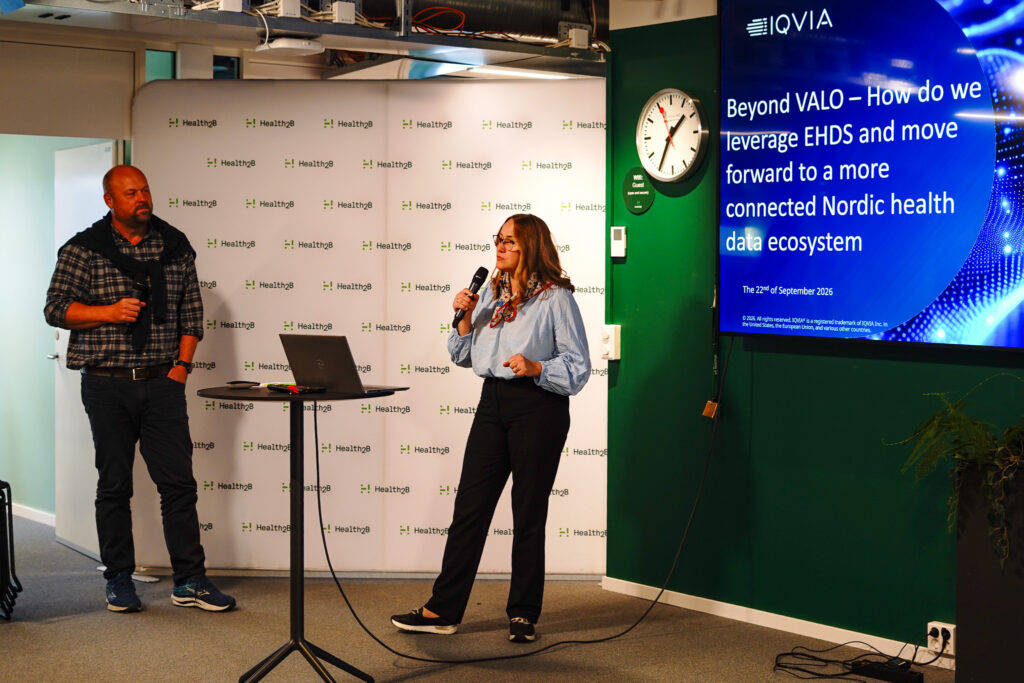
Susanna Flaherty and Carl Järnling from IQVIA presented experiences from the VALO pilots, which have explored cross-border collaboration and federated analysis of health data in the Nordic region. The pilots showed that institutions vary considerably in technical infrastructure, governance, approval processes, access to data and experience with federated research.
The discussion underlined that preparing for the European Health Data Space is not only a legal task. It also requires operational readiness, secure processing environments, common data standards, coordinated access processes and long-term investment in skills and infrastructure.
OMOP and federated cancer research
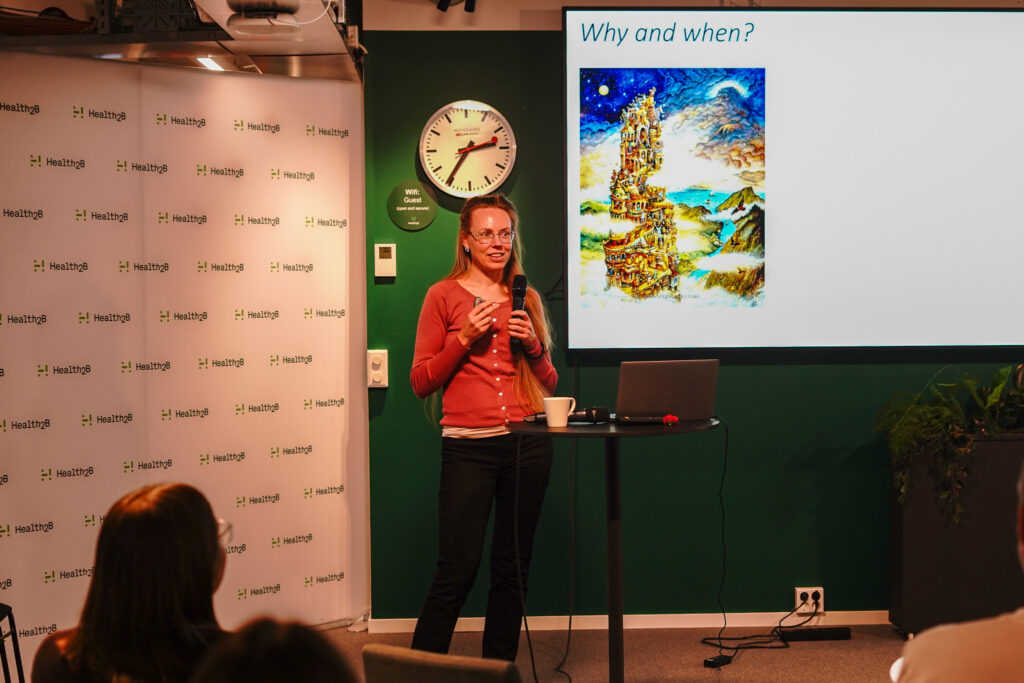
Åsa Öjlert from Oslo University Hospital presented how the OMOP Common Data Model is being used in cancer research. By transforming data from different systems into the same structure and vocabulary, OMOP makes it easier to carry out comparable analyses across institutions and countries.
Examples from European cancer collaborations showed how federated methods can allow data to remain with each institution while common analyses are performed across sites. At the same time, the presentation made clear that data models do not solve everything: the value of analysis still depends on which variables are registered and how consistently they are captured in clinical practice.
Data quality starts in clinical practice
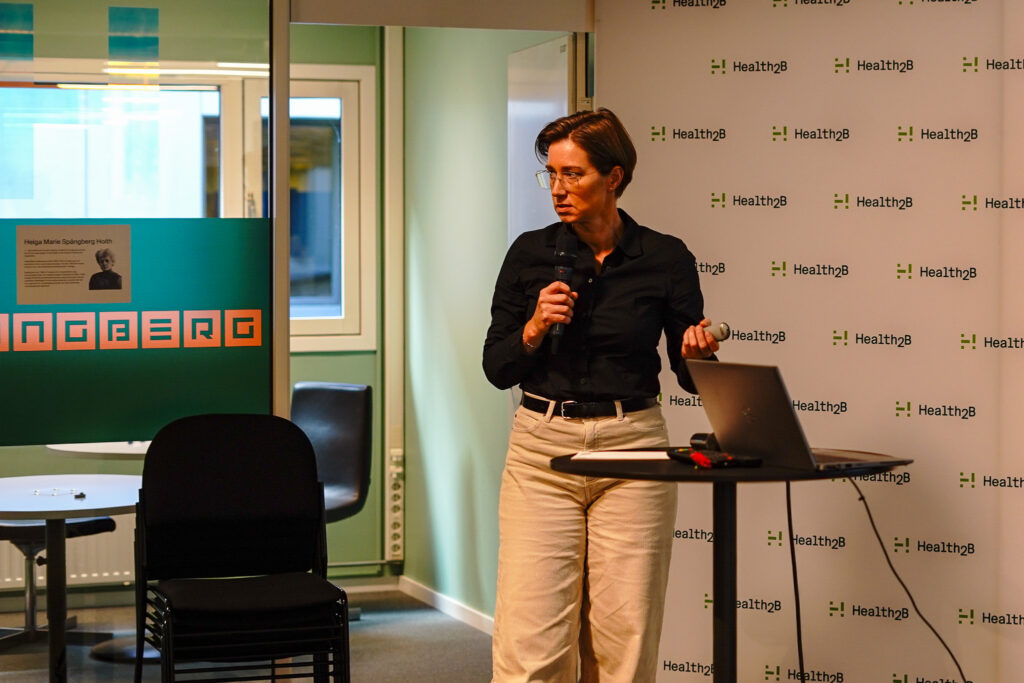
Cathrine Tverdal from Oslo University Hospital concluded with perspectives from NevroVit, the Neuroscience Registry and Research Biobank. She highlighted that registries differ in purpose, content and limitations, and that a registry suitable for one purpose is not necessarily suited for another.
A central point was that the value of health data starts at the source. Discussions often focus on strategies, platforms and access, while the quality of data captured in clinical systems receives less attention. Better infrastructure, relevant expertise close to the data, clear ownership and sustainable funding are needed if health data collaboration is to become part of normal operations rather than remain dependent on individual projects.

Link to presentation:2026 09 22 FINAL SLIDE DECK Health2B Open 22. september